Get to Know Our Community: Wells Ling
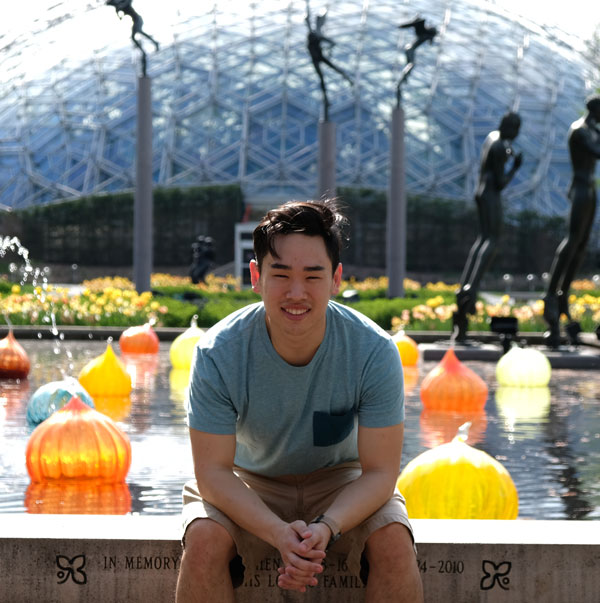
Name: Wells Ling, Ph.D.,
Title: Data Specialist
Organization: American Indian Higher Education Consortium (AIHEC)
Can you describe your current role in institutional research and how it supports your institution’s mission?
At AIHEC, my work focuses on managing AIHEC’s internal institutional research data system known as the American Indian Measures of Success (AIMS). This data collected from each of our member institutions is then leveraged in all aspects of AIHEC’s work to amplify the collective voices of Tribal-led higher education that empowers Tribal Colleges and Universities (TCUs) and American Indian and Alaskan Native student success through culturally grounded policy, advocacy, research, and capacity building.
What sparked your interest in institutional research, and how has your career evolved since then?
My interest in education started during my undergraduate years and was reinforced in graduate school when I learned how data can help tell evidence-based stories about what is working and where improvement is needed. Even while completing my doctorate in developmental psychology, I knew I wanted to work in an applied setting rather than stay in academia, as I often saw a disconnect between the research being conducted and the people in positions to put impactful interventions into practice. I initially found my way into institutional research somewhat by chance after graduate school, but it turned out to be a great fit as it allowed me to combine my background in statistics and developmental psychology, particularly the idea that small interventions can have lasting effects over time, with my interest in using data to improve educational outcomes.
What’s one project or accomplishment in your IR work that you’re especially proud of—and why?
One accomplishment I'm particularly proud of is developing our AIMS sites for our member institutions. Before the sites existed, institutions submitted AIMS data each year but received little information back in return. To address this, I developed a centralized AIMS site and new data resources hosted on each institution’s individual site including fall enrollment dashboards that help visualize long-term enrollment trends, a historical archive of the institution’s past AIMS submissions, and a hub for current AIMS materials and data submissions. Together, these tools have given institutions greater access to their own data and new ways to leverage it in support of institutional planning and decision-making.
What do you find most rewarding (or enjoyable) about working with data in higher ed?
I think many of us in institutional research have a natural fascination with numbers and the stories they can tell. In many ways, working with data feels similar to unraveling a good mystery or true crime story, minus the crime. The fun part is gathering clues, understanding the circumstances, and figuring out what may have contributed to these changes over time. What makes institutional research such a great fit for me is that it combines that interest in data with a longstanding interest in education. I've long been interested in education because it plays such a foundational role in shaping opportunities and outcomes for individuals, families, and communities. Institutional research allows me to use data to better understand what is driving educational outcomes while also helping create opportunities for students and communities to succeed.
When you’re not working with data, how do you like to spend your time?
Most of my current free time is spent playing with my child, who is currently 4 and turning 5 soon. I'm trying to take full advantage of this stage of life where my presence is not only tolerated but welcomed. Beyond that, our family recently moved to the Pacific Northwest, so we've been spending a lot of time hiking, exploring the area, and taking in everything the region has to offer.
What’s something about you—personal or professional—that might surprise your colleagues?
I’m a frequent traveler and have never lived in the same home for more than two years. Over the last six years alone, I’ve lived in St. Louis, Chicago, Phoenix, Los Angeles, Oakland, and now Portland. At this point, packing and unpacking boxes feels like a life skill.