
Voting Closed
The 2025-2026 Nominations & Elections committee produced a slate of candidates for the following positions:
What Our Leaders Do
The Board of Directors is the governing body of the association. It acts as the membership’s voice by soliciting member input and using it to make important decisions. The NEC not only recruits members to serve as leaders, but also develops the call for nominees and reviews nominations to develop a balanced slate of candidates. This resource answers questions about candidate criteria, time commitments, and AIR’s governance system.
Meet the Candidates
Candidate profiles will be provided for the positions on the Board of Directors and Nominations and Elections Committee (NEC).
Review the current Board of Directors and NEC to
see who our newly elected officers will join after taking office during AIR's annual business meeting.
Nominations and Elections Committee
2026 Voting Now Closed
Voting closed Sunday, March 1 at 11:59 p.m. ET. Those elected will take office during AIR's annual business meeting.
Board of Directors
(8 Candidates / 4 Positions Available)

Dr. Nancy Becerra-Cordoba
Affiliation: Connecticut General Assembly, Commission on Racial Equity in Public Health
Sector: State government commission
Relevant Experience
- Advancing the future of institutional research and the profession: With 15+ years across public systems, private institutions, online universities, consulting, and teaching, I bring a forward-looking perspective on data literacy, analytics infrastructure, equity-centered research, and professional development— which positions me to contribute meaningfully to Board discussions on the future of institutional research, member value, and recognition initiatives.
- Governance, policy interpretation, and executive oversight: In senior leadership and director-level roles, I developed and operationalized data governance frameworks, documented business rules, and established decision-making protocols that parallel board-level responsibilities for setting policy boundaries, monitoring executive interpretations, and ensuring accountability through evidence and reasonableness standards.
- Fiscal stewardship and financial oversight through analytics: My work consistently integrated academic, enrollment, and financial data to forecast revenues, assess resource allocation, and evaluate long-term sustainability—experience directly relevant to reviewing audits, monitoring financial conditions, assessing risk, and supporting informed decisions on membership fees and fiscal policies.
Describe your leadership philosophy and how it fosters inclusive excellence.
My leadership philosophy is grounded in servant leadership, which emphasizes stewardship, ethical responsibility, and the growth of others as the foundation for effective governance. I believe leadership is most impactful when it centers listening, evidence-informed decision-making, and accountability, rather than authority or personal influence. In practice, this means creating inclusive spaces where diverse perspectives are actively sought, valued, and translated into action.
This approach fosters inclusive excellence by ensuring that decisions reflect the needs and experiences of the full membership, including individuals and institutions that have been historically underrepresented. By pairing methodological rigor with contextual understanding, servant leadership supports equitable access to opportunities, transparent governance processes, and shared responsibility for outcomes. Ultimately, inclusive excellence is achieved not through uniform solutions, but by leveraging diversity as a strategic asset to strengthen organizational effectiveness, trust, and long-term sustainability.
Please describe a couple of the most imperative issues IR/IE will need to address. How can we continue to maintain and enhance IR/IE’s value to higher education based on those issues?
Two imperative issues facing Institutional Research and Institutional Effectiveness are maintaining trust in data and demonstrating strategic value in an increasingly constrained higher education environment. As institutions navigate enrollment volatility, financial pressures, and public accountability, IR/IE must move beyond reporting to provide timely, integrated, and decision-ready insights that link academic quality, equity, and financial sustainability.
To maintain and enhance IR/IE’s value, the profession must strengthen data governance, transparency, and methodological rigor while also advancing data literacy among institutional leaders. Equally important is embedding equity-centered and ethically grounded analytics into routine decision-making, ensuring that data are used responsibly and contextually. By positioning IR/IE as a trusted partner in strategy, risk management, and continuous improvement—and by investing in professional development and modern analytics infrastructure—IR/IE can remain indispensable to higher education’s future.
If you could have any superpower to improve higher education, what would it be?
If I could have any superpower to improve higher education, it would be the ability to clearly see the future consequences of today’s decisions—and to make those insights accessible and actionable for institutional leaders. In many ways, institutional researchers already possess a version of this power through predictive analytics, scenario modeling, and forecasting. When used responsibly, these tools allow us to anticipate enrollment shifts, student success outcomes, equity impacts, and operational risks before they fully materialize.
Equally powerful is the ability to explicitly link academic decisions to their financial implications. Connecting program design, staffing, and student support strategies to long-term sustainability enables institutions to align mission-driven goals with fiscal responsibility. Together, these “superpowers” help higher education move from reactive decision-making to proactive, transparent, and equitable planning that strengthens both institutional resilience and student outcomes.

Nasrin Fatima, Ph.D.
Affiliation: Binghamton University, State University of New York
Sector: Public, 4-year institution
Relevant Experience
- Strategic and Inclusive Leadership: Over two decades of leadership in institutional effectiveness, assessment, and accreditation, including integrated strategic planning processes that bridge academic and administrative functions with a focus on equity and capacity-building.
- Governance and National Engagement: Proven service on institutional and national task forces, including SCUP planning committees, accreditation site visits, and IR/IE-related presentations. Experienced in policy, governance, strategic planning, and collaborative frameworks that drive institutional transformation.
- Mentorship and Field Development: Deep commitment to mentoring professionals across diverse institutional types and career stages; developed and delivered frameworks for inclusive assessment and planning in both academic and administrative units, including workshops at AIR, NEAIR, SCUP, and AALHE.
Describe your leadership philosophy and how it fosters inclusive excellence.
My leadership philosophy is grounded in collaboration, integrity, and intentional inclusion. I believe effective leadership starts with listening—especially to those whose voices have been historically underrepresented—and translating that understanding into meaningful action. I strive to build environments where diverse perspectives are central to decision-making. Inclusive excellence means embedding equity in all aspects of planning, assessment, and governance. My leadership style—refined through SCUP’s integrated planning principles and AIR’s data-informed approaches—emphasizes bridge-building, systems thinking, and responsiveness to institutional mission. Whether leading accreditation efforts or national conversations, I model servant leadership that is reflective, community-rooted, and strategic. At AIR, this philosophy supports a vision of leadership that is representative and transformative.
Please describe a couple of the most imperative issues IR/IE will need to address. How can we continue to maintain and enhance IR/IE’s value to higher education based on those issues?
The IR/IE profession stands at a transformative crossroads. Institutions are navigating declining enrollments, rising equity gaps, accountability pressures, and volatile public trust. Meanwhile, artificial intelligence is reshaping how data is collected, analyzed, and interpreted—bringing both promise and ethical complexity. IR/IE professionals must proactively define how these tools support institutional mission, not just operational efficiency. At the same time, we must deepen our role as strategic partners in shaping evidence-based planning. Through SCUP’s integrated planning lens and AIR’s commitment to ethics and innovation, we can guide institutions toward data-informed, equity-driven change. To remain relevant, we must lead capacity-building efforts in AI literacy, foster cross-unit collaboration, and advocate for ethical data governance. By centering people, purpose, and equity in our use of technology, we affirm IR’s enduring value in navigating a rapidly evolving landscape.
If you could have any superpower to improve higher education, what would it be?
If I could choose a superpower to improve higher education, it would be Time Stitching—the ability to connect past, present, and future insights into a cohesive narrative visible to all stakeholders. Imagine faculty seeing not just historical trends, but how today's actions shape tomorrow's outcomes. Imagine students seeing how their lived experiences inform institutional change. This superpower would empower IR/IE professionals to illuminate the long arc of transformation, allowing strategic planning, equity initiatives, and student success efforts to be guided by insight, not just hindsight. It would dissolve the barriers of silos and short-term thinking, replacing them with shared vision and sustained impact. Ultimately, this would help institutions act with wisdom and urgency, aligning innovation with purpose and inclusivity. And it would give AIR professionals a critical voice in shaping the future—not just tracking it.

Megan Lombardi, Ph.D.
Affiliation: McHenry County College
Sector: Public, 2-year institution
Relevant Experience
- Enterprise leadership and governance: With 16 years of progressive experience in institutional research and effectiveness, I serve on the President’s Extended Cabinet and advise executive and institutional leadership on the ethical collection, governance, and strategic use of data, including chairing the Institutional Review Board and leading analytic efforts that inform institutional planning and continuous improvement.
- Accountability and oversight experience: I have successfully led two institutions through Higher Learning Commission accreditation cycles and state recognition processes, demonstrating expertise in compliance, policy interpretation, risk awareness, and institutional accountability—core responsibilities of effective board service.
- Professional service and governance: I was recently elected to a three-year term on the steering committee for my state institutional research association, have served as a peer reviewer for AIR conference submissions, and serve on my state’s data advisory committee, reflecting a commitment to governance, engagement, and advancement of the IR profession.
Describe your leadership philosophy and how it fosters inclusive excellence.
My leadership philosophy is grounded in servant leadership and a belief that effective leaders remain closely connected to the work and the people doing it. Throughout my career, I have intentionally remained hands-on—working alongside my team—because doing so builds trust, deepens my understanding of day-to-day challenges, and allows me to identify structural and process-based barriers that may not be visible from a distance. This approach helps flatten traditional hierarchies and fosters an environment where all perspectives are valued and staff feel empowered to contribute ideas and voice concerns. By being directly engaged in the work and partnering closely with my team, I am better positioned to advocate for resources, remove obstacles, and support professional growth. I believe inclusive excellence is achieved when leaders listen actively, share responsibility, and create conditions that enable all members of the team to contribute, grow, and succeed.
Please describe a couple of the most imperative issues IR/IE will need to address. How can we continue to maintain and enhance IR/IE’s value to higher education based on those issues?
- A growing national culture of misinformation and declining trust in data and research presents a critical challenge for IR/IE. To address this, we must prioritize clear, transparent communication and expanded data literacy efforts beyond the immediate IR/IE community. By helping stakeholders interpret and apply data accurately, IR/IE can correct misconceptions, foster evidence-informed decision-making, strengthen trust, and develop constituencies’ skills as informed data consumers. These efforts enhance the strategic value of institutional research and reinforce its role in within and beyond higher education.
- The rapid growth of artificial intelligence, particularly concerns that it may replace IR/IE work, also requires careful attention. By embracing AI as a complementary tool, IR/IE professionals can improve efficiency and analytical insight while highlighting the limitations of these technologies and emphasizing the unique judgment, contextual knowledge, and ethical oversight humans provide. This approach ensures IR/IE experts and the work of IR/IE offices remain indispensable.
If you could have any superpower to improve higher education, what would it be?
I would choose the superpower of “Barrier Removal” - the power to detect and dismantle obstacles to student success, equity, and access in real time. Since barriers come in many forms, this would combine three key capabilities: 1) amplifying resources like time, funding, and personnel to meet student and institutional needs; 2) strengthening student engagement and belonging, ensuring students feel connected, supported, and valued; and 3) spotting and correcting inequities in policies, teaching practices, and resource allocation that hinder equitable outcomes. By proactively identifying and addressing these barriers before they derail students, Barrier Removal would help ensure all students can participate fully and have equitable opportunities to achieve their goals - strengthening both student success and institutional effectiveness.
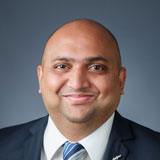
Meghal Parikh
Affiliation: University of Florida
Sector: Public, 4-year institution
Relevant Experience
- Institutional Research Leadership Across Contexts: I have over 15 years of experience in IR and higher ed analytics, spanning large public research universities and small liberal arts colleges. My experiences at these institutions include building data governance committees, performing executive-level data analytics functions, and providing mentorship to new staff pursuing a future in institutional research and data analytics fields.
- Strategic Governance & Board Experience: I have previously served on the AIR Nominations and Elections Committee, and I currently serve on the Board of Higher Education Data World (HEDW), contributing to strategic planning, fiduciary oversight, and community-driven governance in a volunteer-led professional association. I have in the past contributed presentations and volunteered with AIR and other national conferences, as well as I been part of many advisory committees, including US News, Educause Analytics Services etc.
- Systems Thinking & Stakeholder Engagement: I have led cross-functional collaborations with Admissions, Financial Aid, Registrar, IT, and senior leadership to translate complex data into ethical, actionable insights that advance institutional mission and student success.
Describe your leadership philosophy and how it fosters inclusive excellence.
My leadership philosophy is grounded in collaboration, stewardship, and respect for the human story behind the data. I believe effective leadership in IR/IE is less about authority and more about creating conditions in which diverse voices inform better decisions. Inclusive excellence emerges when governance structures are transparent, data definitions are shared and trusted, and people feel safe asking hard questions.
I lead by listening first—especially to perspectives that may be underrepresented—then by helping teams align evidence with values. Whether serving on a board, leading analytics teams, or mentoring colleagues, I focus on bringing people together across roles, institution types, and experiences. This approach not only strengthens outcomes but also builds the professional trust essential for sustainable, ethical data use in higher education.
Please describe a couple of the most imperative issues IR/IE will need to address. How can we continue to maintain and enhance IR/IE’s value to higher education based on those issues?
Two imperative issues facing IR are data governance amid growing complexity and maintaining trust as analytics becomes more predictive and automated. As institutions adopt advanced analytics and AI-driven tools, IR must lead conversations about ethical use, transparency, and methodological rigor.
To maintain and enhance IR’s value, we must position the field as both technical experts and institutional stewards—helping leaders understand not just what the data says, but what it means and where its limits lie. AIR plays a critical role here by providing shared frameworks, professional development, and a community grounded in ethics. Strengthening IR’s voice at strategic tables ensures data remains a tool for informed judgment, not a substitute for it.
If you could have any superpower to improve higher education, what would it be?
If I could have any superpower to improve higher education, it would be the ability to instantly quiet everyone’s mental noise—my own included—and create space for clarity. Think of it as a “Ctrl+Alt+Del” for overthinking, misaligned metrics, and endless dashboard debates.
As someone who loves cooking, I often think about IR like a good meal: too many ingredients, added too fast, ruin the dish. This superpower would help institutions pause, breathe, and focus on what matters—purpose, context, and people—before piling on more data.
As a bonus, I’d also love the power to fall asleep instantly after a long day of reporting deadlines and governance meetings. A well-rested IR/IE community might just make better decisions for higher education—and cook better meals too.

Christopher Peña, Ph.D.
Affiliation: University of Denver
Sector: Private, non-profit, 4-year institution
Relevant Experience
- Deputy Strategy Officer at Metropolitan State University of Denver: Directed implementation of the university’s strategic plan to ensure identified objectives were measured, assessed, and aligned with MSU Denver’s mission, vision, and values across the organization. Advised the Chief Strategy Officer and senior leadership on the strategic use of data to inform institutional planning and support advocacy with community partners and the state legislature.
- Director of Institutional Research and Data Management at the University of Denver: Served as data lead for the academic reporting line and chief reporting officer for the university. Directed central institutional research operations to inform strategic planning, academic and business operations, and budget development. Developed and managed data architecture to deliver analysis and insight to senior leadership. Administered the university’s business intelligence, visualization, and survey software solutions.
- Member of the Board of Directors for the Association for Institutional Research: Completed a three-year term representing a private not-for-profit university and a regional comprehensive open-access university. Partnered with fellow Board members to advance the Association’s mission and vision through sound fiscal stewardship and strategic governance to ensure long-term sustainability and impact. Served as Secretary of the Board and chaired the Pathways to Volunteer Leadership committee.
Describe your leadership philosophy and how it fosters inclusive excellence.
I believe effective leadership creates environments where everyone can contribute their best work. My philosophy centers on amplifying voices that might otherwise go unheard, particularly those from underrepresented perspectives. I prioritize transparency in decision-making processes, ensuring team members understand not just what we’re doing, but why. Likewise, I actively cultivate collaboration by creating spaces where people feel safe to share ideas, take risks, and challenge assumptions, including my own. I’m committed to lifting people up by investing in their growth, celebrating their successes, and removing barriers to their advancement. Inclusive excellence means recognizing that diversity of thought, background, and experience makes us stronger and more innovative. When people feel truly valued and heard, they bring their whole selves to their work, and that’s when teams achieve extraordinary things together.
Please describe a couple of the most imperative issues IR/IE will need to address. How can we continue to maintain and enhance IR/IE’s value to higher education based on those issues?
IR/IE faces two imperative issues today: 1) demonstrating higher education’s value amid growing public skepticism about ROI and the value of a postsecondary education, and 2) ensuring student success in an environment of financial and policy instability that threatens institutional sustainability and student support. To address these challenges and enhance our value, IR/IE must become strategic thought partners with institutional leaders, collaboratively shaping data strategy that helps institutions navigate uncertainty with evidence and confidence. This means proactively tackling complex questions before they’re asked, providing actionable insights rather than just reports, and translating sophisticated analytics into accessible narratives that drive decision-making and conversations with stakeholders. We earn respect by being present at strategic conversations, offering scenario modeling during uncertain times, and demonstrating how data illuminates pathways forward. By building trust through reliability, relevance, and responsiveness, IR/IE positions itself as indispensable in advancing institutional missions and ensuring equitable student outcomes.
If you could have any superpower to improve higher education, what would it be?
If I could have any superpower to help improve higher education, it would be the ability to allow decision-makers to experience education through the eyes of a student – to feel the financial anxiety of choosing between textbooks and groceries, the isolation of being a first-generation student in a system built on unstated assumptions, or the resilience required to balance coursework with caregiving responsibilities. Too often, policies and funding decisions are crafted from conference rooms disconnected from lived realities. This empathy superpower would transform how programs are designed, how resources are allocated, and how success is defined and measured. Even without this power though, IR/IE can approximate it through compelling data storytelling: revealing important disparities in outcomes, capturing and amplifying student voices, and creating visualizations that make hidden struggles visible. By making students’ realities undeniable to decision-makers, we move systems and institutions toward policies and practices that serve all learners.

Joe Roy, Ph.D.
Affiliation: American Society for Engineering Education
Sector: Non-profit membership association
Relevant Experience
- Led national data collections affecting institutional decision making and external rankings, translating conflicting member needs into transparent governance processes that support clear organizational Ends and member trust.
- Served as staff liaison to a Board of Directors and standing board committee, leading policy development on board oversight of externally funded projects and supporting reasoned, unbiased board decision making.
- Held responsibility for multimillion dollar operational and federally funded budgets, providing fiscal oversight, risk management, and long term sustainability during periods of financial constraint.
Describe your leadership philosophy and how it fosters inclusive excellence.
My leadership philosophy is grounded in stewardship, clarity, and respect for diverse institutional contexts. I believe inclusive excellence begins with listening carefully to stakeholders who experience policies and systems differently depending on institutional mission, size, and resources. My role as a leader is to surface those differences, articulate tradeoffs clearly, and support decisions that align with mission rather than individual preference.
I prioritize transparency, shared understanding, and accountability. I delegate authority with clear expectations and support teams by providing context, not micromanagement. Inclusive excellence is fostered when people understand how decisions are made, why constraints exist, and how their perspectives inform outcomes. This approach builds trust, encourages participation, and ensures that excellence is defined broadly across institutions and career stages.
Please describe a couple of the most imperative issues IR/IE will need to address. How can we continue to maintain and enhance IR/IE’s value to higher education based on those issues?
One imperative issue for IR and IE is maintaining relevance as higher education faces rapid change driven by technology, artificial intelligence, and shifting workforce demands. Traditional metrics and occupational assumptions are increasingly strained, requiring IR and IE to reassess how outcomes, value, and impact are measured. Another critical issue is sustaining trust in institutional data amid growing concerns about privacy, data reuse, and external accountability pressures.
To maintain and enhance value, IR and IE must balance innovation with stewardship. This includes updating methodologies while protecting institutional autonomy, communicating uncertainty clearly, and ensuring governance structures guide ethical data use. IR and IE professionals are uniquely positioned to help institutions navigate complexity by providing credible, contextualized evidence that supports informed decision making rather than simplistic comparisons.
If you could have any superpower to improve higher education, what would it be?
If I could have any superpower to improve higher education, it would be the ability to create shared understanding across institutional boundaries. Many challenges in higher education persist not because of lack of data or effort, but because stakeholders operate with different assumptions, incentives, and constraints. This superpower would allow faculty, administrators, policymakers, and students to see how decisions affect one another across institutions and roles. With shared understanding, tradeoffs would be more transparent, trust would increase, and decisions would be better aligned with mission and equity. Higher education would benefit from fewer zero sum debates and more collaborative problem solving grounded in evidence and mutual respect.

Jess Stahl, DBH
Affiliation: National Center for Advanced Academic Technology (NCAAT)
Sector: Non-profit research organization
Relevant Experience
- As Chair of the AI in Higher Education Advisory Board (national), engaged early on (several years prior to the release of ChatGPT) with leaders in the postsecondary education ecosystem and tech industry to prepare for and respond effectively to the widespread release of generative AI throughout higher education.
- As a Vice President, Northwest Commission on Colleges and Universities, participated in strategic planning and engaged with the Board of Commissioners, Council of Regional Accrediting Commissions, U.S. Department of Education, and other stakeholders. Directed data policy and developed a Data Strategic Plan to establish a modern data system to support institutional accreditation for 160+ postsecondary institutions across multiple states, including implementing a robust data warehouse and interactive dashboard system.
- Directed and secured significant funding for several major national data initiatives with a broad set of organizational partners to facilitate institutional data capacity building (including support for a national cohort of 275+ institutions) and provide trustworthy resources for effective AI governance in postsecondary education.
Describe your leadership philosophy and how it fosters inclusive excellence.
My leadership philosophy is stewardship with inclusion by design: aligning decisions to mission, balancing vision with real-world evidence, and acting with integrity so the value we deliver is worth the resources invested. I foster inclusive excellence by inviting diverse viewpoints early, being accessible and approachable, and being transparent about decision criteria, rationale, and the potential trade-offs involved. I lead with authenticity, curiosity, and collaboration so that decisions reflect different institutional realities. As a postsecondary leader, I have successfully built institutional capacity at scale through major data and AI initiatives for 275+ institutions nationally and I am dedicated to advancing the ethical and effective use of data within higher education to support student and institutional success and demonstrate the value of higher education.
Please describe a couple of the most imperative issues IR/IE will need to address. How can we continue to maintain and enhance IR/IE’s value to higher education based on those issues?
This is a critical time for IR/IE with major technological shifts and social imperatives underway. Two imperative issues are AI-enabled decision support and intensifying accountability under enrollment and resource pressure. AI is reshaping workflows and expectations. While AI can automate routine work and expand what can be accomplished with limited resources, it also introduces risks around fairness, transparency, privacy/confidentiality. Thus, the imperative for IR/IE is responsible adoption and governance. WICHE projects that the number of high school graduates will decline through 2041. That major demographic shift combined with decreased institutional resources creates mounting pressure for IR/IE to “do more with less” and provide credible evidence about student and institutional outcomes to objectively demonstrate the value of higher education. IR/IE must thoroughly evaluate, based on its collective expertise, how to optimally utilize emerging technology to provide credible evidence of outcomes and value.
If you could have any superpower to improve higher education, what would it be?
If I could have any superpower to improve higher education, it would be “Instant Insight“- the ability to instantly convert real-world data into accurate, highly contextualized, student-centered insights that could be easily understood and acted upon. Without this superpower, data can sometimes generate mistrust because people interpret the numbers differently or because the “story” being told ignores fairness, transparency, and privacy. This superpower also instantly integrates ethical guardrails (such as confidentiality, accessibility, and bias checks) while translating results into clear options and tradeoffs for consideration. With this superpower, analytics would become truly effective and impactful. We would not just produce dashboards, we would build shared understanding to support student and institutional success. It would also enable us to demonstrate the value of higher education with evidence that is credible, student-centered, decision-ready, and most certainly worth the resources invested.
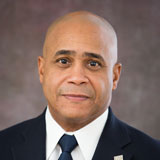
Darrell Tyler, Ed.D. candidate
Affiliation: Virginia State University
Sector: Public, 4-year institution
Relevant Experience
My professional experience has consistently operated at the intersection of governance, data stewardship, and stakeholder accountability, which aligns with the expectations outlined in AIR’s Governance Policy.
- Policy-governed board leadership and fiduciary oversight. As Chair of the Board of Directors for a federally regulated credit union, I govern within a formal policy framework that emphasizes fiduciary responsibility, ethical conduct, financial oversight, and disciplined board self-monitoring. This work requires maintaining clear collective responsibility between governance and management, prudent risk management, and strategic oversight.
- National association service and stakeholder ambassadorship. My long-standing governance involvement with the Virginia Association of Institutional Research (2014-), the National Association for Business Economics (2014 -), Virginia Social Sciences Association (Board of Directors: 2016-21) and other professional associations includes board service, committee leadership, conference engagement, and member outreach highlight the governance expectation that I believe Board members serve as active ambassadors linking their association, stakeholders, and strategy.
- Deep institutional research and data-informed decision leadership. Alongside board leadership, my career in institutional research has been centered on enabling data-informed decision-making at the senior leadership and trustee levels. As a director and senior analyst, I have led federal and state reporting, accreditation support, program evaluation, and executive-facing analytics, while ensuring data integrity and ethical use. This work directly supports advancing effective, ethical, and impactful use of data in higher education and by strengthening data literacy across my current and past institutions.
Describe your leadership philosophy and how it fosters inclusive excellence.
My leadership philosophy is rooted in well-ordered governance, ethical data stewardship, and collective responsibility. I believe the Board’s role is to set purpose, define boundaries, and ensure accountability, not to manage operations. Effective governance requires restraint, clarity, and an outward focus on long-term impact. This approach emphasizes policy governance and shared judgment, with a focus on the stakeholders. My leadership style emphasizes listening, mentoring, and trust-building, creating conditions where informed, ethical, and inclusive decisions can emerge consistently.
Please describe a couple of the most imperative issues IR/IE will need to address. How can we continue to maintain and enhance IR/IE’s value to higher education based on those issues?
Two pressures are reshaping institutional research and effectiveness as we move into 2026, and neither can be addressed with business-as-usual reporting. The first is value, i.e., ROI. Enrollment softness and public skepticism about degrees have made outcomes unavoidable. IR/IE can no longer stop at retention or graduation tables. We have to connect learning to persistence, mobility, and post-graduation traction, even when the answers are uncomfortable or incomplete. The second issue is analytics governance. AI tools are arriving faster than our policies. Used well, they sharpen planning and student support. Used carelessly, they erode trust and amplify inequities. IR/IE are often the only units positioned to slow the conversation down and ask the right questions about data quality, bias, and decision risk.
Our value going forward rests on judgment, not volume. IR/IE must position themselves as strategic partners. We remain relevant by integrating messy data, offering forward-looking insight, and helping leaders act with clarity rather than certainty.
If you could have any superpower to improve higher education, what would it be?
For my superpower, I’d choose “The ability to trace ‘cause and effect’ in real time across the whole student lifecycle.”
Not just dashboards or lagging outcomes, but the power to see, early and clearly, which institutional decisions actually move the needle for different students and which ones just consume resources. You’d know, with confidence, when an advising model helps first-gen students persist, when a curriculum tweak improves workforce readiness, or when a well-intended initiative quietly underperforms.
That superpower turns ROI from a retrospective argument into a forward-looking management tool. It lets leaders reallocate dollars before students are harmed, scale what works, and stop mistaking activity for impact. In higher education, that kind of clarity would be transformative without being flashy.
Nominations and Elections Committee
(5 Candidates / 2 Positions Available)

Heather Epstein-Diaz, Ph.D. Candidate
Affiliation: Florida State University
Sector: Public, 4-year institution
Relevant Experience
- Regular exposure to emerging IR talent: Our Data Partners program typically hires entry-level applicants, providing consistent interaction with new professionals entering institutional research. Combined with active participation in AIR, SAIR, FAIR, and the EDUCAUSE Data Governance Community Group, I engage with emerging and established practitioners across institution types—giving me insight into who's advancing the profession through innovative work, effective collaboration, or leadership in non-traditional IR spaces.
- Cross-institutional perspective on diverse leadership styles: Seven years in reporting analytics, followed by current work bridging IR, IT, data stewards, and stakeholders on governance initiatives, exposes me to professionals who lead through different approaches—technical translation, consensus-building, or strategic positioning. This breadth helps me recognize leadership potential beyond traditional markers.
- Understanding of AIR's evolving needs: My experience positioning IR as a hub for institutional analytics strategy during organizational change gives me perspective on the leadership qualities AIR needs—adaptability, collaboration across boundaries, and commitment to sustainable decision support—helping me identify colleagues who embody these qualities even if they're not yet nationally visible.
Describe your professional involvement and how you will leverage those experiences to identify and recruit nominees for AIR?
My professional involvement spans institutional research, data governance leadership, and cross-institutional collaboration. As my state system's FAIR representative and EDUCAUSE Data Governance Community Group - Special Topics co-lead, I regularly interact with IR professionals at diverse institution types—from research universities to regional comprehensives—often identifying strong practitioners who aren't yet nationally visible. Our Data Partners program brings entry-level professionals into IR work, giving me insight into emerging talent and evolving skill sets.
I will leverage these experiences through intentional, inclusive recruitment: actively seeking nominees from underrepresented institution types (particularly small schools and community colleges), prioritizing professionals whose work demonstrates impact over visibility, and looking beyond traditional conference presenters to find those leading through collaboration, innovation, or methodological excellence in their local contexts. My cross-functional work positions me to recognize IR leadership in non-traditional spaces—professionals bridging analytics, governance, or student success who strengthen our profession's relevance and reach.
How would you foster inclusive excellence as you recruit the next leaders for AIR?
Fostering inclusive excellence requires intentional action to address who's missing from AIR leadership pipelines. I will prioritize recruiting professionals across the IR ecosystem - from practitioners at under-resourced institutions, community college professionals, and those in non-traditional IR roles - whose perspectives are essential but often overlooked. This means going beyond conference networks to identify strong practitioners in regional associations, seeking recommendations from colleagues at minority-serving institutions, and recognizing that leadership takes many forms beyond national presentations.
My cross-functional work across institution types positions me to notice talent in unexpected places. I will actively challenge my own networks by asking "who's not in this conversation?" and ensuring NEC recruitment reflects the diversity of institutions AIR represents. Inclusive excellence isn't an add-on-it's foundational to identifying leaders who will strengthen AIR's relevance and responsiveness to all of higher education.
If you could have any superpower to improve higher education, what would it be?
If I could have a superpower, it would be establishing institutional data as a recognized shared asset—managed collectively, stewarded strategically, and integrated to answer complex questions about student success. While we've made progress breaking down traditional departmental silos, my superpower would accelerate this work: connecting enrollment patterns with academic support utilization, linking financial aid timing to course completion, overlaying advising touchpoints with persistence data. These cross-functional questions require treating data as institutional knowledge infrastructure, not isolated departmental metrics.
This superpower would embed data governance that enables new questions: Where do system interactions create barriers? Which student populations navigate complexity most successfully, and why? Institutional Research would serve as the coordinating function for this shared asset, ensuring analytics illuminate systemic patterns and support evidence-based intervention. Through AIR networks, we'd advance governance models positioning data as collective institutional knowledge. The result: institutions leveraging integrated data to ask better questions, identify hidden obstacles, and act on insights that single-system analytics miss—fulfilling mission through strategic data management.
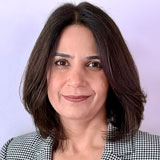
Smriti Ingrole, Ph.D.
Affiliation: Emory University
Sector: Private, non-profit, 4-year institution
Relevant Experience
- Collaborative Connector – I collaborate with colleagues across institution types, professional roles, and career stages. Working closely with such a wide range of professionals allows me to understand their strengths, recognize leadership potential that may not always be visible, and encourage them to see themselves as future AIR leaders.
- Fair and Trust-Building Leader – Once I recognize a potential leader, I strive to create supportive, encouraging conversations that help them see their own strengths and readiness for service. I take time to discuss opportunities that align with their interests and experiences and encourage them to consider leadership roles well suited to their growth.
- Equity-Focused Perspective – I am intentional in reaching out to colleagues from underrepresented institutions, disciplines, and professional pathways to ensure that leadership opportunities are visible and accessible. I value the diverse experiences they bring and work to help them feel confident, supported, and encouraged to participate in AIR leadership.
Describe your professional involvement and how you will leverage those experiences to identify and recruit nominees for AIR?
Through my work across public, private, and community-college settings, as well as my active engagement in AIR and SAIR, I have built relationships with colleagues at different institutions, in varied roles, and at multiple career stages. These professional connections give me insight into both visible and emerging leaders, particularly those who may not yet see themselves in leadership positions. I will leverage these networks to listen, learn about colleagues’ strengths, and encourage them to consider service opportunities aligned with their skills and interests. By combining intentional outreach, mentoring conversations, and thoughtful engagement, I hope to broaden who is invited to participate and help build an inclusive and inspiring leadership pipeline for AIR.
How would you foster inclusive excellence as you recruit the next leaders for AIR?
Inclusive excellence begins with intentional outreach and a belief that every member should be able to see themselves in AIR’s leadership. I will focus on expanding recruitment conversations beyond familiar networks to include colleagues from community colleges, regional publics, minority-serving institutions, small privates, and emerging professional areas such as student success analytics and data ethics. I will prioritize listening and relationship-building to understand the contexts, challenges, and strengths different professionals bring. Additionally, I will support transparent communication about expectations, mentorship for prospective nominees, and fair evaluation grounded in equity rather than visibility or institutional prestige. My goal is to help create a leadership pipeline in which diversity of background, experience, and voice is not only represented but celebrated as an essential strength of AIR and its future.
If you could have any superpower to improve higher education, what would it be?
If I could choose a superpower to improve higher education, it would be the ability to instantly connect perspectives, information, and insight across people and systems. Many challenges arise when institutions operate in silos—data lives in separate places, conversations happen in isolated spaces, and people often make decisions without shared context. This superpower would help faculty, staff, leaders, and students better understand one another’s realities while also improving access to meaningful, usable data. With stronger connection, empathy, and data literacy, collaboration would deepen, decisions would be more thoughtful, and innovation would feel more attainable. For AIR, this reflects our mission of strengthening leadership through insight, inclusion, and meaningful engagement.

Summer Kenesson
Affiliation: Washington State Board for Community and Technical Colleges
Sector: State postsecondary agency
Relevant Experience
- Deep understanding of institutional research competencies – With twenty years of experience in a variety of IR roles, I bring the ability to assess candidates’ expertise in data governance, analytics, and evidence-based decision-making aligned with AIR standards and best practices.
- Commitment to advancing data-informed culture – I am skilled at identifying leaders and future leaders who champion transparency, ethical data use, and continuous improvement within higher education institutions and policy and partner organizations.
- Strategic alignment with AIR mission and values – Working across different sectors, with a professional background in education myself, I bring the capability to recruit professionals who foster collaboration, professional development, and innovation in institutional.
Describe your professional involvement and how you will leverage those experiences to identify and recruit nominees for AIR?
Throughout my career across colleges, universities, and higher education policy agencies, I have been actively engaged in higher education and institutional research initiatives, including participation in data governance, accreditation processes, and strategic planning groups. These experiences have given me a strong understanding of the skills and leadership qualities required to advance data-informed decision-making, which is central to AIR’s mission.
I have also built a robust professional network through conferences, workshops, and collaborative projects with institutional research professionals. This network allows me to identify emerging leaders who demonstrate a commitment to ethical data use, continuous improvement, and student success.
By leveraging these experiences and connections, I can effectively source and recruit nominees who not only meet the technical and analytical requirements but also embody AIR’s values of collaboration, innovation, and professional development.
How would you foster inclusive excellence as you recruit the next leaders for AIR?
Fostering inclusive excellence begins with intentionality in the recruitment process. I would start by ensuring that the criteria for leadership roles reflect AIR’s commitment to diversity, equity, and inclusion, emphasizing not only technical expertise but also the ability to lead with cultural competence and advocate for equitable data practices in higher education.
I would actively broaden outreach efforts by engaging with diverse professional networks, affinity groups, and institutions that serve underrepresented populations in higher education. This helps create a candidate pool that reflects the varied perspectives and experiences needed to advance AIR’s mission.
Additionally, I would implement structured and unbiased evaluation methods to minimize bias and ensure fair consideration. By prioritizing transparency and inclusivity at every stage, I can help recruit leaders who bring both professional excellence and a commitment to equity to AIR.
If you could have any superpower to improve higher education, what would it be?
If I could have any superpower, it would be the ability to instantly operationalize targeted universalism across all higher education institutions. This means setting universal goals—such as equitable student success and access to quality education—while tailoring strategies to meet the unique needs of different student populations.
To do this, I would implement harmonious and comparable higher education data systems to eliminate silos and ensure that every institution—from community colleges to research universities—has access to accurate, real-time, and comparable data.
With this superpower, I could ensure that policies and practices policy decisions were made based on complete and transparent evidence and are not one-size-fits-all but instead address structural barriers faced by underrepresented groups. For example, data systems would automatically identify equity gaps and recommend interventions that are culturally responsive and resource-appropriate for each community. This approach would transform higher education into a truly inclusive ecosystem, where every student has the support they need to thrive, and institutional research plays a central role in driving evidence-based equity strategies.

Christine Pacheco
Affiliation: Southern Arkansas University
Sector: Public, 4-year institution
Relevant Experience
- Connector and relationship-builder: I am intentional about building relationships across roles, institution types, and career stages, which helps me spot leadership potential that might otherwise be overlooked.
- Strong understanding of AIR pathways: My experience with AIR programs, reporting structures, and leadership pipelines allows me to recognize who is ready for service and where they might best contribute.
- Equitable and thoughtful approach: I actively consider representation, access, and opportunity when encouraging others to step into leadership roles.
Describe your professional involvement and how you will leverage those experiences to identify and recruit nominees for AIR?
My professional involvement includes institutional research, compliance reporting, and sustained engagement with AIR professional development. I have served as institutional keyholder, an IPEDS Educator, and contributor to multiple AIR training efforts, including the AIR Foundations of Effective Reporting workshops and ACTS trainings and webinars. These experiences have allowed me to work closely with professionals across institution types and career stages, giving me a strong understanding of how members engage with AIR and grow into leadership roles.
I plan to leverage this experience by identifying individuals who demonstrate curiosity, reliability, and a commitment to service, even if they do not yet see themselves as leaders. I am especially attentive to members who consistently show up, support their peers, and contribute thoughtfully. Through my AIR network and training involvement, I can help connect these members to leadership opportunities that align with their strengths.
How would you foster inclusive excellence as you recruit the next leaders for AIR?
Fostering inclusive excellence starts with being intentional about who is encouraged to lead. I believe recruitment should go beyond familiar names or traditional pathways and include members from a wide range of institutions, roles, and lived experiences. That means actively listening, paying attention to who is participating, and noticing who may be contributing behind the scenes.
I also believe encouragement matters. Many capable professionals hesitate to pursue leadership because they do not see themselves reflected in those roles. I make a point to personally invite and support individuals who may need that extra nudge. As a member of the Nominations and Elections Committee, I would advocate for a thoughtful, transparent process that values diverse perspectives and recognizes leadership in many forms, not just titles or visibility.
If you could have any superpower to improve higher education, what would it be?
If I could have any superpower to improve higher education, it would be the ability to instantly translate data into shared understanding and action. Too often, strong analysis stops at the report stage or gets lost in technical language. This superpower would help bridge the gap between data professionals, campus leaders, and decision-makers so that insights actually lead to meaningful change.
With this ability, institutions could move faster, communicate more clearly, and make decisions grounded in evidence while still honoring context and people. It would also elevate the role of institutional research by making its value more visible and accessible. Ultimately, this superpower would help higher education use data not just to report outcomes, but to improve student experiences and institutional effectiveness in real, practical ways.

Dr. Stacey Randall
Affiliation: Waubonsee Community College
Sector: Public, 2-year institution
Relevant Experience
- Deep understanding of the AIR profession and leadership competencies – As a long-standing member of the Association for Institutional Research and a senior institutional effectiveness leader, I have extensive experience evaluating institutional research, assessment, accreditation, and data-informed decision-making roles, enabling me to identify candidates whose skills, ethics, and professional values align with AIR leadership expectations.
- Proven track record of recruiting, developing, and mentoring high-impact professionals – I have led the hiring and supervision of multiple full-time staff across institutional research, effectiveness, grants, and analytics functions, with a demonstrated ability to recognize leadership potential, support professional growth, and build cohesive, mission-driven teams.
- National visibility and network within institutional research and higher education leadership – Through peer review work with the Higher Learning Commission and frequent presentations at national conferences and webinars, I maintain broad professional connections that support inclusive, informed recruitment and allow me to identify emerging AIR leaders from diverse institutional and professional backgrounds.
Describe your professional involvement and how you will leverage those experiences to identify and recruit nominees for AIR?
My professional involvement spans nearly two decades of leadership in institutional research, effectiveness, accreditation, and assessment, with active engagement in the Association for Institutional Research and related professional organizations. As a senior institutional effectiveness leader, AIR member, and Higher Learning Commission peer reviewer, I routinely collaborate with institutional researchers, analysts, and assessment professionals across a diverse range of institutional types. My work includes hiring, mentoring, and developing IR and IE professionals, presenting at national and regional conferences, and participating in cross-institutional initiatives focused on data-informed decision-making and student success.
I will leverage these experiences by drawing on my broad professional network, familiarity with AIR leadership competencies, and direct knowledge of emerging talent in the field. Through conference engagement, peer review activities, and ongoing professional collaborations, I am well-positioned to identify nominees who demonstrate strong technical expertise, leadership potential, ethical practice, and a commitment to advancing the mission and values of AIR.
How would you foster inclusive excellence as you recruit the next leaders for AIR?
Fostering inclusive excellence in recruiting future AIR leaders requires intentional, equity-centered practices grounded in both values and action. I would prioritize identifying nominees from a broad range of institutional types, professional roles, career stages, and lived experiences, recognizing that leadership excellence in institutional research emerges in many forms. Drawing on my experience leading diversity-focused initiatives and equity-driven grant work, I am aware of how systemic barriers can limit visibility and advancement for talented professionals.
In practice, I would actively expand recruitment beyond traditional networks by engaging with affinity groups, regional AIR organizations, and emerging professionals at conferences and professional development events. I would also emphasize leadership behaviors aligned with inclusive excellence—such as ethical data use, collaborative decision-making, and commitment to student-centered outcomes—ensuring that AIR’s leadership reflects the diversity, perspectives, and strengths of the communities the profession serves.
If you could have any superpower to improve higher education, what would it be?
If I could have one superpower to improve higher education, it would be the ability to instantly align data, culture, and decision-making around student success and equity. Too often, institutions have strong data, committed people, and good intentions—but those elements operate in silos. This superpower would help leaders, faculty, and staff clearly see how their decisions affect students in real time and understand the human stories behind the data. With shared clarity, institutions could move beyond compliance-driven reporting to meaningful, coordinated action that removes barriers and scales what works. Such alignment would strengthen trust in data, reduce initiative fatigue, and accelerate evidence-based change. Ultimately, this power would help higher education focus less on fragmented processes and more on creating coherent, equitable pathways that support student learning, persistence, and completion.